

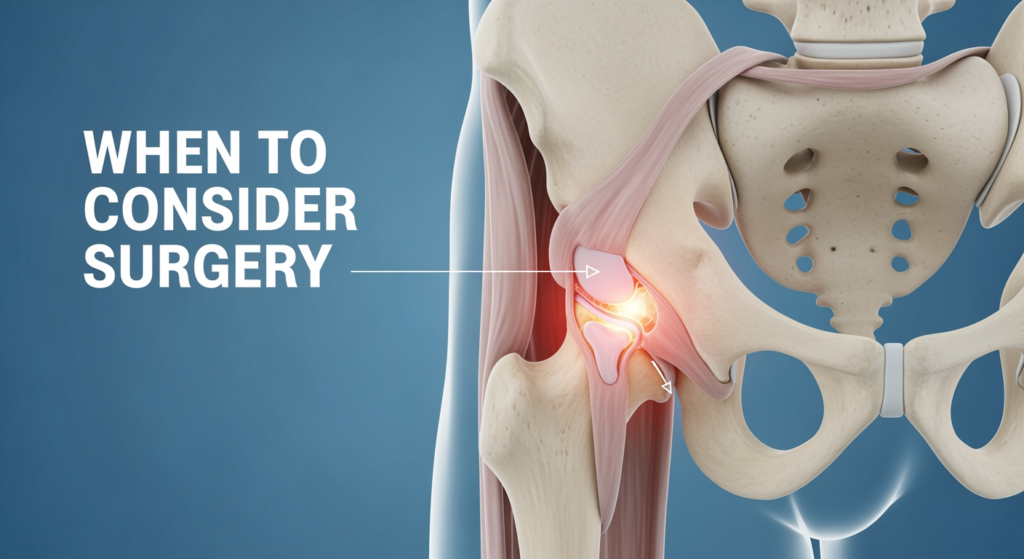
Understanding Hip Pain
Hip pain can significantly impact an individual’s mobility and overall quality of life. It originates from various causes, with conditions such as arthritis, bursitis, tendonitis, fractures, and injuries being among the most common. Understanding these causes is essential for effective hip pain treatment and for determining when to consider surgical options.
The hip joint is a ball-and-socket joint, comprising the femur’s head and the socket in the pelvis. Its structure allows for a wide range of motion, but this also means that it is susceptible to various medical issues. Arthritis, a degenerative disease affecting joint cartilage, often results in chronic hip joint pain. Osteoarthritis and rheumatoid arthritis are two primary types that can lead to discomfort and movement limitations. Bursitis, inflammation of the small sacs of fluid that cushion the joint, often manifests through tenderness and pain with movement.
Tendonitis, an inflammation of the tendons surrounding the hip, may arise due to repetitive strain or injury, particularly among athletes. This condition can also contribute to significant discomfort, making basic activities challenging. Furthermore, fractures or significant joint injuries, whether due to accidents or falls, can lead to acute pain and require immediate medical attention.
Hip pain not only affects physical capabilities but may also lead to emotional distress. Individuals experiencing persistent pain often report anxiety and depression, as this discomfort can hinder their ability to engage in previous activities and social interactions. Addressing hip joint pain causes is vital for overall well-being, and understanding when to seek treatment is crucial. By recognizing symptoms and consulting with healthcare professionals, individuals can effectively navigate the complexities of hip health, determining the necessary interventions including hip surgery in Hyderabad should conservative measures prove ineffective.
Symptoms of Hip Pain
Hip pain can manifest in various forms, with symptoms often ranging from mild discomfort to severe incapacitation. Patients commonly report sharp or dull aches in and around the hip joint, which can inhibit daily activities and diminish quality of life. The nature and intensity of these aches may vary significantly based on the underlying condition. For example, osteoarthritis may lead to a slow, gradual onset of chronic hip joint pain, while an acute injury could result in sudden and intense sensations.
Stiffness is another prevalent symptom associated with hip pain, particularly after periods of inactivity such as sitting or sleeping. This stiffness can create challenges when trying to initiate movement, making everyday tasks like standing or walking more difficult. Affected individuals may also notice swelling around the hip area, which can often accompany inflammation and is indicative of various hip joint pain causes, such as bursitis or tendinitis.
It is essential to recognize that symptoms can differ significantly depending on the specific condition affecting the hip. For example, symptoms of hip impingement may include deeper groin pain and issues with hip rotation, while those suffering from hip fractures may experience severe pain when attempting to put weight on the affected leg. In certain cases, experiencing fever or significant bruising alongside hip pain may be red flags that warrant immediate medical evaluation, as these could indicate serious conditions that require swift hip surgery or other hip pain treatment options.
Awareness of these symptoms is crucial for timely diagnosis and treatment, especially when considering when to get hip replacement or seeking specialized care in cities like Hyderabad where advanced hip surgery options are available. Proper assessment by a medical professional can lead to appropriate interventions and a return to unrestricted mobility.
Diagnosis of Hip Pain
The diagnosis of hip pain is a crucial step in determining the appropriate hip pain treatment, as it helps to identify the underlying causes of the discomfort. Medical professionals employ a variety of methods to accurately diagnose the condition, beginning with a comprehensive medical history and a physical examination. The medical history enables the healthcare provider to assess any previous injuries, existing medical conditions, and any symptoms that the patient might be experiencing, thus aiding in pinpointing the potential hip joint pain causes.
Following the initial examination, a healthcare provider may recommend imaging tests such as X-rays or Magnetic Resonance Imaging (MRI). X-rays are useful for identifying bone-related issues such as fractures, arthritis, or hip dysplasia. On the other hand, MRIs provide detailed images of the soft tissues surrounding the hip joint, allowing for the identification of potential tears, inflammation, or other soft tissue conditions that may not be visible on X-rays.
In some instances, laboratory tests may be required to rule out inflammatory conditions or infections that could be contributing to hip pain. Blood tests or synovial fluid analysis can be performed to gain further insight into the patient’s condition. This comprehensive approach ensures that the diagnosis is accurate, which is vital for determining whether non-surgical treatments are sufficient or if more invasive options such as hip surgery in Hyderabad are warranted.
Accurate diagnosis is essential not only for guiding treatment decisions but also for informing patients about their specific condition, including when to get a hip replacement if necessary. Therefore, consulting with a qualified healthcare provider who specializes in hip pain management is crucial for establishing an effective treatment plan.
Non-Surgical Treatment Options
Hip pain may arise from various conditions, which is why numerous non-surgical treatment options are available to help manage symptoms effectively. These options can provide significant relief and enhance overall joint function for individuals experiencing hip joint pain.
Physical therapy is often the first line of defense in hip pain treatment. A tailored physical therapy program can help strengthen the muscles surrounding the hip joint, improving stability and reducing pain. The involvement of a qualified physical therapist allows patients to learn exercises that are safe and effective, catering specifically to their needs and the underlying causes of their hip pain.
Medication is another common approach for managing hip pain. Nonsteroidal anti-inflammatory drugs (NSAIDs) can effectively reduce inflammation and relieve discomfort associated with hip conditions. Other options may include corticosteroid injections, which can provide temporary relief by targeting specific areas of inflammation around the hip joint. When considering these medications, individuals should consult their healthcare provider to ensure safe practices are followed.
Lifestyle changes can also play an integral role in managing hip pain. Incorporating regular low-impact exercises, maintaining a healthy weight, and engaging in activities such as swimming or cycling can help alleviate stress on the hip joint. Additionally, dietary adjustments that promote joint health, such as increasing omega-3 fatty acid intake, can assist in reducing inflammation.
Finally, alternative therapies, such as acupuncture and chiropractic care, offer complementary methods for hip pain treatment. These approaches can work in harmony with traditional treatments, providing a holistic outlook on pain management. They may be particularly useful for those who prefer to avoid medication or invasive procedures.
Non-surgical treatments are typically recommended based on the specific hip joint pain causes and the severity of the condition. In many cases, implementing a combination of these treatments can lead to substantial improvements, delaying the need for more invasive measures such as hip surgery in Hyderabad.
When is Surgery Necessary?
Surgery for hip pain is typically considered when conservative treatment methods such as physical therapy, medication, and lifestyle changes have failed to alleviate the symptoms. If a patient experiences persistent hip joint pain that significantly affects mobility and quality of life, it may be time to explore surgical options. Individuals should pay close attention to whether their hip pain interferes with daily activities — such as walking, climbing stairs, or participating in recreational activities — as this can indicate the severity of their condition.
One of the key indicators for surgical intervention is the level of pain experienced. Chronic, debilitating pain that persists despite intervention can indicate the need for more significant treatment options, such as a hip replacement. A healthcare provider may assess the degree to which hip joint pain causes discomfort, ensuring that all possible non-invasive treatments have been exhausted.
When evaluating whether surgery is necessary, it is essential to consider the underlying hip joint pain causes. Conditions such as severe osteoarthritis or avascular necrosis may necessitate surgical procedures, including hip arthroscopy or total hip replacement. In these surgeries, damaged cartilage may be repaired, or joints replaced entirely, depending on the condition’s progression. In cities like Hyderabad, specialized clinics offer advanced hip surgery options, ensuring patients have access to a variety of surgical techniques and technologies that may enhance recovery and outcomes.
Ultimately, the decision to proceed with hip surgery should be made collaboratively between the patient and healthcare providers, weighing factors such as age, overall health, and the specific limitations imposed by hip pain. Understanding when to get a hip replacement is vital, as it can significantly improve one’s quality of life and restore mobility.
Types of Surgical Procedures
When considering hip pain treatment, it is essential to understand the various surgical procedures that can alleviate discomfort and restore mobility. Surgical interventions are typically recommended when conservative measures, such as physical therapy or medication, have failed to provide relief. The main types of surgical procedures for hip pain include hip arthroscopy, total hip replacement, and hip resurfacing.
Hip arthroscopy is a minimally invasive procedure that involves the use of a small camera and specialized instruments inserted through tiny incisions around the hip joint. This approach is often used to diagnose and treat conditions like cartilage tears or labral tears. Recovery time is generally quicker than traditional surgeries, allowing patients to return to normal activities within a few weeks, assuming they comply with their rehabilitation protocols.
Total hip replacement (THR) involves removing the damaged hip joint and replacing it with an artificial implant. This procedure is suitable for patients suffering from severe arthritis or significant joint damage that limits daily activities. Recovery can take several months, but the long-term outcomes are significantly improved quality of life and increased mobility.
Hip resurfacing is a less invasive alternative to total hip replacement, primarily aimed at younger, more active individuals. This procedure preserves more of the natural bone and may lead to faster rehabilitation times. Patients often experience less post-operative pain and can potentially resume high-impact activities sooner than those who undergo a total hip replacement.
Choosing the appropriate surgical technique depends on various factors, including the severity of the hip joint pain, the underlying causes, and the patient’s overall health. Consultation with a qualified orthopedic surgeon, especially in cities like Hyderabad, can provide tailored recommendations based on individual circumstances, ultimately guiding patients on their options, including when to get hip replacement surgery.
Risks and Considerations of Surgery
Surgery is often considered as a viable option for those enduring chronic hip joint pain, especially when conservative hip pain treatments have failed to provide satisfactory relief. However, it is essential to understand the various risks and complications associated with hip surgery before making a decision. The potential for infection is a significant concern; surgical procedures open the body to pathogens, which can result in severe consequences if not managed properly.
Another serious risk includes the formation of blood clots, which can occur during or after surgery. These clots can potentially travel to the lungs, leading to a pulmonary embolism, a life-threatening condition. Nerve damage is yet another risk that could arise during hip surgery, causing persistent pain or loss of function in the operated area. Thus, prior to undergoing surgical intervention, a comprehensive patient evaluation is crucial to identify any underlying issues that may predispose an individual to such complications.
The considerations become even more complex for older adults or those with pre-existing health conditions. Age-related factors can hinder recovery and increase the probability of complications. Conditions such as diabetes, heart disease, or obesity can further exacerbate risks associated with the surgical procedure. Therefore, thorough discussions with healthcare providers are imperative to weigh the benefits of potential hip surgery in Hyderabad against the associated risks. Understanding when to get hip replacement is essential, and patients should ensure they have explored all other options, including less invasive hip pain treatments, before agreeing to surgery.
Recovery and Rehabilitation Post-Surgery
Recovering from hip surgery is a detailed process that requires careful attention and adherence to a rehabilitation plan. Typically, patients can expect their recovery timeline to range from six weeks to three months, depending on the specific procedure performed and the individual’s overall health. Immediately following surgery, the focus is on reducing pain and swelling, with various pain management strategies being employed. Ice packs, medication, and other modalities serve to mitigate discomfort.
One of the key elements of effective recovery from hip pain treatment is engaging in physical rehabilitation. A physical therapist usually guides this phase, which starts as early as the first few days after surgery. The initial exercises are gentle and designed to regain mobility and flexibility in the hip joint. Gradually, as strength improves, rehabilitation will progress to more demanding exercises, helping the patient achieve a full range of motion. Maintaining consistency with these exercises is crucial for achieving optimal results.
Setting realistic expectations during recovery can greatly influence the process. Some patients may experience quick improvements, while others may find their progress slower. Communicating any concerns about pain or functionality with healthcare providers ensures that appropriate adjustments to the rehabilitation plan can be made. In addition, following a structured regime of physical therapy can significantly improve outcomes, reducing the likelihood of complications and enhancing recovery speed.
As individuals approach the end of their rehabilitation, they will begin to gradually return to their daily activities. Finding a balance between rest and activity will be critical in this phase to prevent re-injury. Ultimately, recovery from hip surgery relies on a combination of medical support, dedicated rehabilitation practices, and realistic goal-setting to restore the patient’s quality of life.
Conclusion: Making the Right Decision
When considering hip pain treatment, making an informed decision is crucial to achieving the best possible outcome. It is essential to consult with healthcare professionals who specialize in musculoskeletal conditions, as they can provide a comprehensive assessment of the severity of your condition, potential causes of hip joint pain, and the most suitable treatment options available. This collaborative approach ensures that you are equipped with the necessary knowledge to make the right decision regarding your health.
Each individual’s circumstances are unique; thus, what works for one person may not work for another. Factors such as age, overall health, and lifestyle must be taken into consideration when evaluating whether to pursue hip surgery in Hyderabad or explore alternative treatments. Understanding these nuances can help in assessing when to get a hip replacement based on personal health needs and future activity goals.
In weighing the benefits and risks associated with surgery, it is imperative to consider the impact on quality of life. Surgical interventions can provide significant relief for severe conditions, improving mobility and reducing pain. Nevertheless, it is vital to also recognize potential complications and postoperative care challenges that may arise. Engaging in a detailed discussion with your healthcare team about the expectations and recovery process can harmonize your objectives with your treatment plan.
Ultimately, the decision regarding hip pain treatment should align with your long-term health aspirations while taking into account medical advice and personal preferences. A thorough understanding of your options and consulting with professionals will pave the way for responsible decision-making and a more informed journey towards relief.
Estimated reading time: 12 minutes

Leave a Reply